The Inpatient Blood Pressure Olympics: Why We Must Stop Treating Numbers Instead of Patients
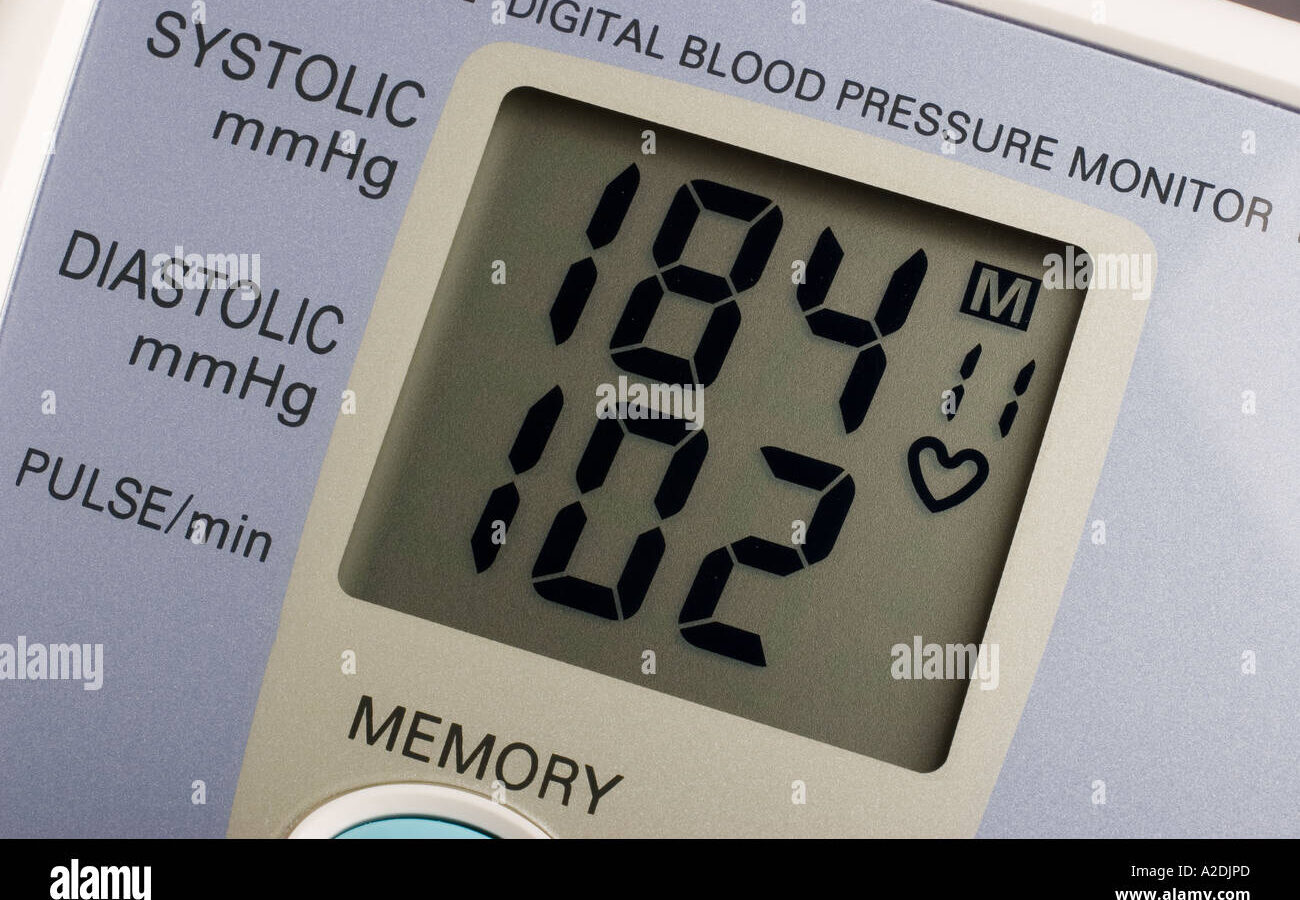
There are few things in hospital medicine as predictable as sunrise, shift change, and the 2 a.m. phone call announcing that a patient’s blood pressure has reached a number so large it should have its own congressional district. The nurse’s tone is urgent, the vitals are highlighted in red, and the expectation is clear: Do something heroic.
And so begins the ritualistic dance of inpatient hypertension management — a dance that, despite decades of evidence, continues to be choreographed by reflex rather than reason.
—
The Great Misunderstanding: Asymptomatic Hypertension ≠ Hypertensive Emergency
Let’s start with the central heresy:
Asymptomatic elevated blood pressure in the hospital is not an emergency.
Not even if it’s very high. Not even if it’s “I’ve never seen numbers like this” high.
This is the part where half the audience nods knowingly and the other half clutches their pearls.
The distinction between hypertensive emergency and asymptomatic hypertension is one of the most fundamental in cardiovascular medicine. The former involves active end‑organ damage — encephalopathy, pulmonary edema, myocardial ischemia, aortic dissection, renal failure. The latter involves… a number.
A number that, in hospitalized patients, is often elevated because of pain, anxiety, missed home meds, IV fluids, nicotine withdrawal, or the existential dread of being served hospital meatloaf.
Treating the number without treating the patient is like treating a fever by unplugging the thermometer.
—
Why Aggressive Treatment Is the Wrong Reflex
Hospitalized patients are physiologically fragile. They are also diagnostically noisy. Their blood pressures fluctuate with position, pain, bowel movements, what and when they get to eat, and the mere suggestion of physical therapy.
Aggressively lowering blood pressure in this setting is not benign. It risks:
• Cerebral hypoperfusion — the brain does not appreciate sudden surprises
• Myocardial ischemia — coronary arteries enjoy consistency
• Renal injury — kidneys are notoriously dramatic
• Falls and syncope — because gravity always wins
• Mis-education — each time we act we are reinforcing to both nurses and patients that this number is important, even when it is not -and the cycle of reflex treatment is perpetuated
The evidence is clear: over‑treating inpatient hypertension causes harm, while leaving asymptomatic elevations alone does not.
—
The IV Hydralazine Problem: A Medication in Search of a Purpose
If there were a Mount Rushmore of unnecessary inpatient interventions, IV hydralazine would be Washington, Lincoln, Jefferson, and Roosevelt combined.
It is ordered reflexively, administered enthusiastically, and regretted universally.
Every guideline agrees:
IV hydralazine has almost no role in inpatient hypertension management outside of pregnancy‑related disease.
Its pharmacodynamics are unpredictable, its onset is erratic, and its effect is often dramatic enough to require a rapid response team — the very definition of irony.
Yet it persists, largely because it is available, familiar, and satisfies the primal urge to “do something.”
—
The ICU Exception: When IV Therapy Is Appropriate
There is a place for IV antihypertensives — the hypertensive emergency with active end‑organ damage. These patients belong in the ICU, where blood pressure can be titrated with precision, monitoring is continuous, and the stakes are appropriately high.
Outside of that setting, IV therapy is like using a chainsaw to trim your eyebrows.
—
The Nurse–Physician Feedback Loop of Doom
One of the most persistent drivers of overtreatment is the well‑intentioned but misguided expectation that every elevated blood pressure requires intervention.
This is reinforced by:
• Standing orders that say “Call provider if BP > ___”
• Cultural norms that equate high numbers with danger
• Fear of missing something catastrophic
• Electronic health record alerts that glow like radioactive holiday ornaments
Once the call is made, the physician feels compelled to act. The nurse expects action. The cycle continues. The patient receives unnecessary medication. The blood pressure plummets. The next shift wonders why the patient is dizzy.
This is not medicine. This is Pavlovian conditioning.
—
Breaking the Cycle: Culture Change, Not More Orders
The solution is not more protocols. It is education, communication, and courage.
1. Educate the team
Nurses, residents, hospitalists, consultants — everyone benefits from understanding that asymptomatic hypertension does not require acute treatment.
2. Rewrite the orders
Instead of “Call for BP > 160,” consider:
“Call if BP > 200/120 to describe the patient’s condition and symptoms.”
3. Normalize the phrase “No intervention needed.”
It is a complete sentence. It is evidence‑based. It is liberating. Use it when that is the medically proper thing to do.
4. Adjust oral meds gently
If the patient has missed home meds, restart them.
If chronic therapy needs optimization, do so gradually.
If the patient is in pain, treat the pain.
If they are anxious, treat the anxiety.
If they are watching cable news, turn off the TV.
5. Reserve IV therapy for the ICU
And only when end‑organ damage is present.
Not because the number is scary.
Not because the nurse is worried.
Not because the EHR turned the value red.
—
Conclusion: A Call for Rationality (and Fewer 2 a.m. Phone Calls)
Inpatient hypertension management should be guided by physiology, not fear; by evidence, not reflex; by patient status, not numerical aesthetics.
The next time a nurse calls with a blood pressure of 195/115 in a comfortable, asymptomatic patient, consider responding with calm reassurance rather than pharmacologic theatrics.
After all, the goal of medicine is not to normalize numbers — it is to care for human beings.
And sometimes, the most therapeutic intervention is simply to say:
“Let’s leave it alone.”